Explore Our Services
What We Offer
Where applicable, we follow seed testing rules outlined by the International Seed Testing Association (ISTA).
Seed Germination Testing
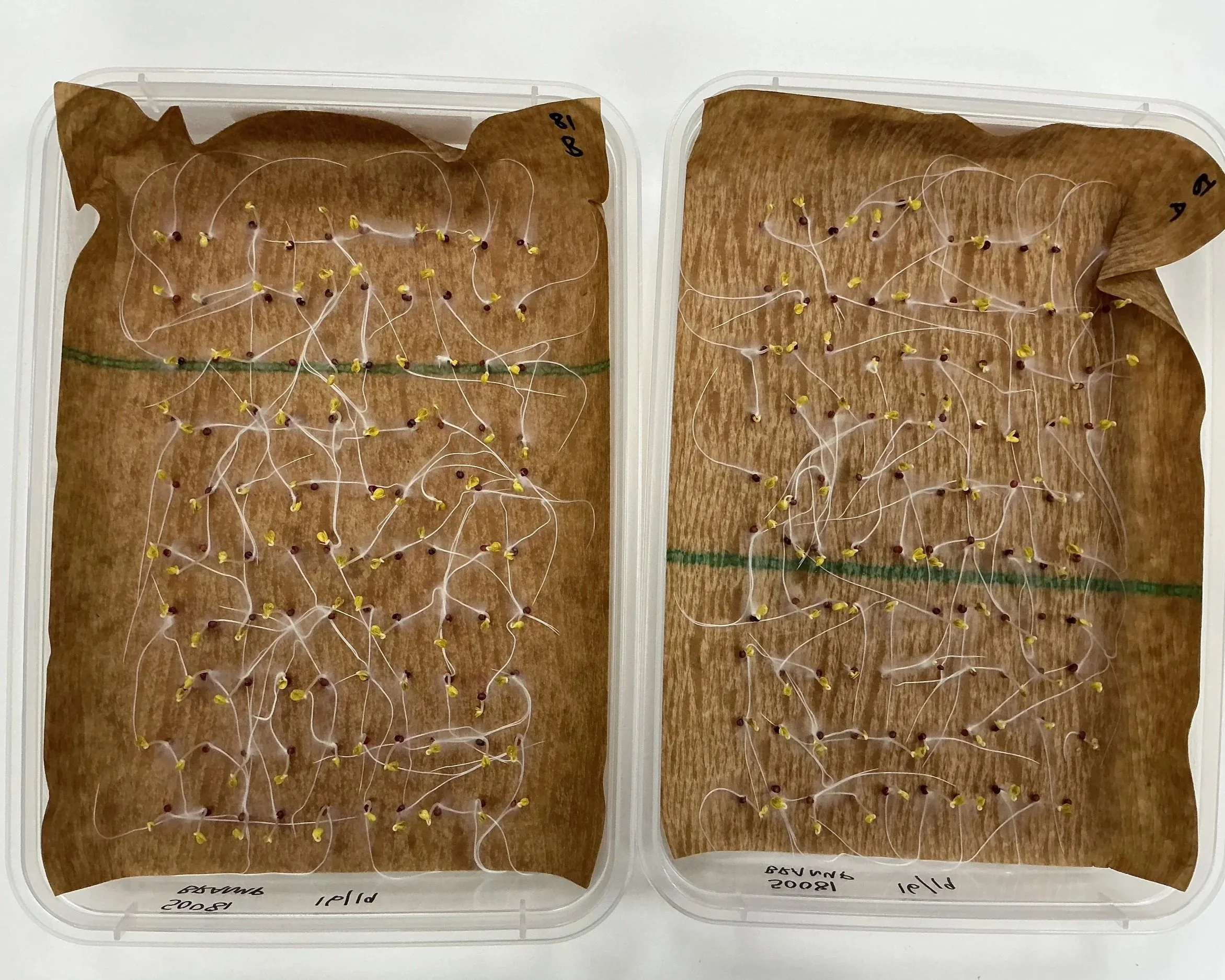
Germination testing forms the bread and butter of seed testing. It determines how likely your seed is to grow into a healthy crop and is very important to understand the quality and potential of a seed.
Germination requirements differ between species. At AgQWA, we follow the ISTA rules which specify the temperature, duration, treatments to overcome dormancy, and the criteria for normal and abnormal seedlings. Each test is specific to your crop, ensuring the ideal conditions to assess the potential of your seed.
It is important to remember that our tests subject the seeds to optimal germination conditions in the lab. This will likely differ when in the paddock. As seeds are alive, the date the seed is tested is important to note, as germination percentages can change with time.
We can perform germination tests on most crops. Required sample sizes are the same as a purity, allowing both tests to be performed on the same sample. Please get in touch with any questions.
Purity Seed Analysis
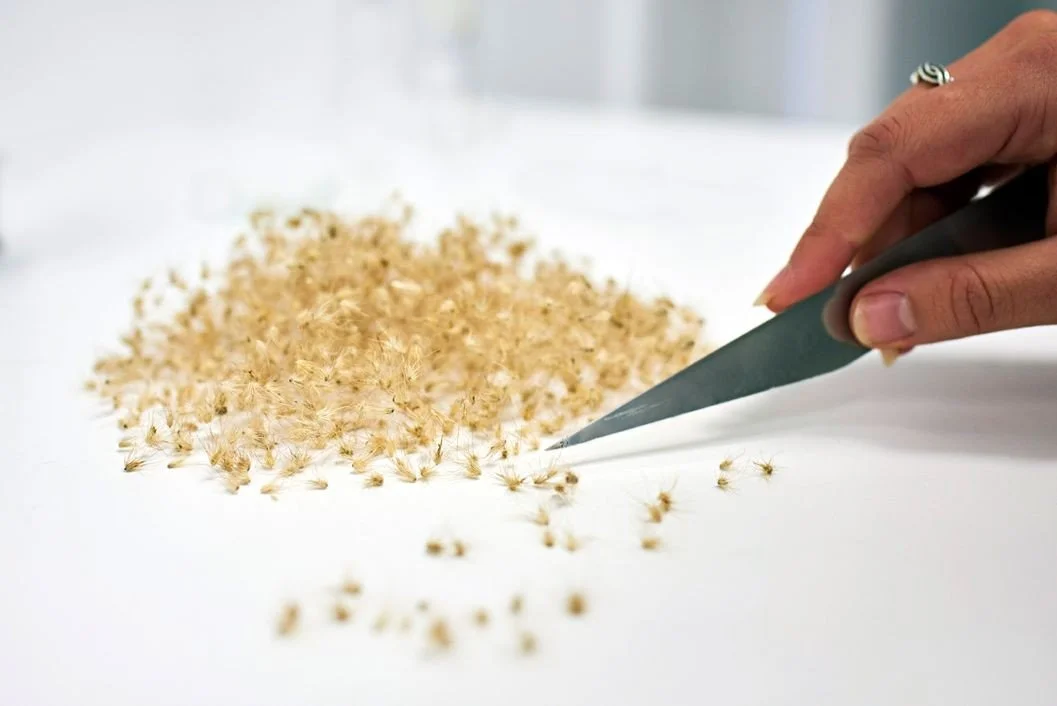
A purity analysis describes the makeup of your seed sample, separating into pure seed, inert matter and other seeds. Our certificates report these as percentages of the total sample, list other species, as well as define the types of inert matter. It is an important test to determine the value of your seed lot, revealing unwanted contamination of other species, as well as signs that the sample may degrade quickly such as insect infestation and fungal bodies
We can perform purities on all species, following ISTA rules where applicable. Similar to germination, the sample requirements differ between species. For large seeds (wheat or larger), the minimum sample weight is 1Kg. For small or fine seed such as canola it is 100g. Feel free to get in touch if you have a specific request or require any further information.
For purity tests, we aim for a 48 hour turnaround from sample receipt. For same-day results please ensure your sample is delivered by 1400.
Tetrazolium
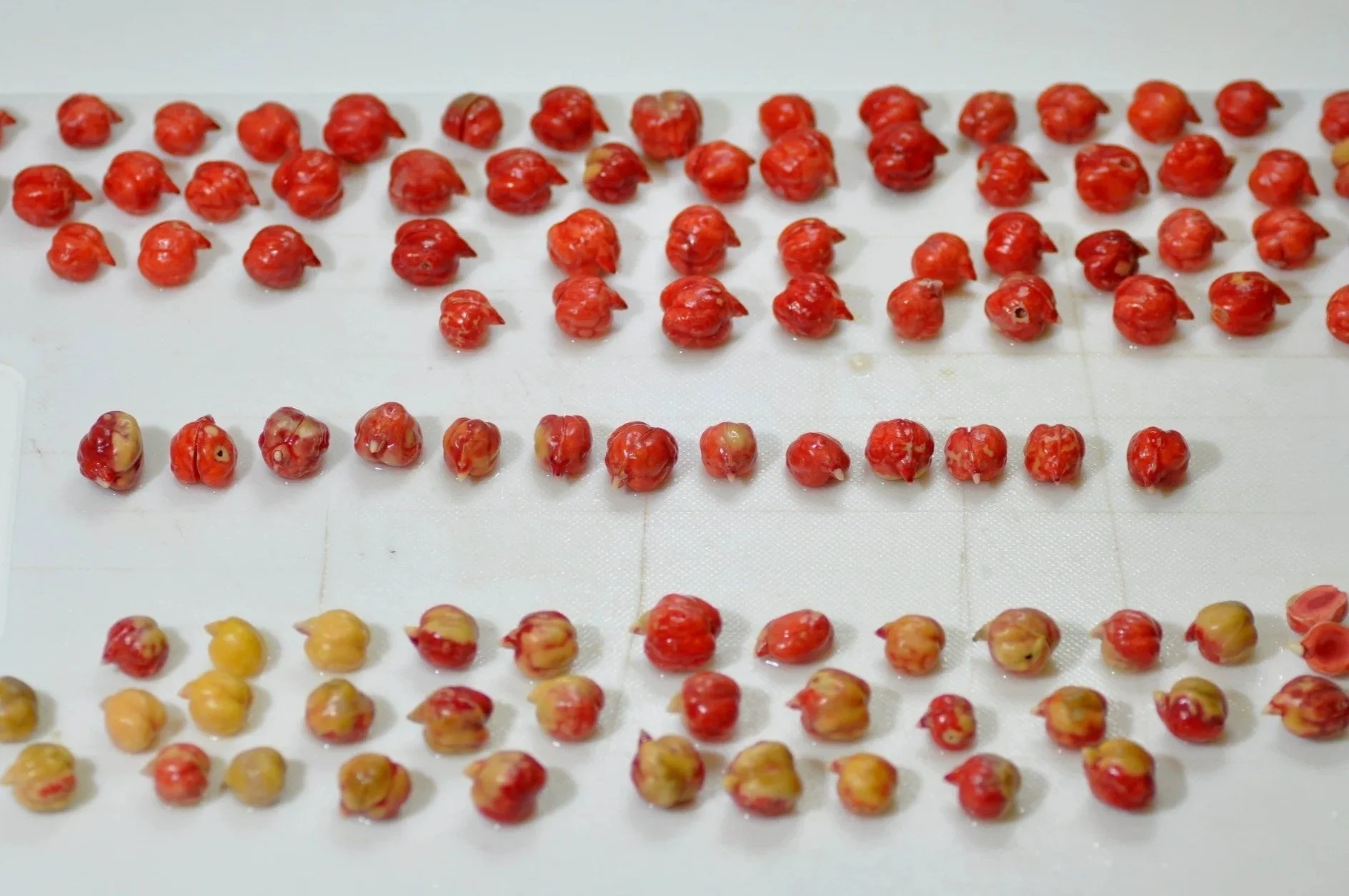
Tetrazolium testing uses a biochemical stain to provide a rapid assessment of seed viability. Seeds are soaked in water before analysts cut through the embryo and place in a tetrazolium solution. After the required time, living tissue will metabolise the colourless TZ, staining it bright red. Each seed is then assessed as viable or dead. For seeds with partial staining, the location and amount of staining are considered.
While it does not replace a germination test, TZ tests are very useful when under time pressure to provide a simple assessment whether the seed is alive or dead. It is important to note however, that a tetrazolium test only determines whether the seed is alive. It does not take into account the effects of dormancy, how the seed may perform under stress, or types of abnormalities.
We also follow ISTA rules for our tetrazolium testing where applicable, and we can test all species which we do germination tests on. Results are delivered as a percentage viable by number. While turnaround times vary slightly, our aim for all TZ samples is 48 hours from receipt.
Seedling vigour analysis
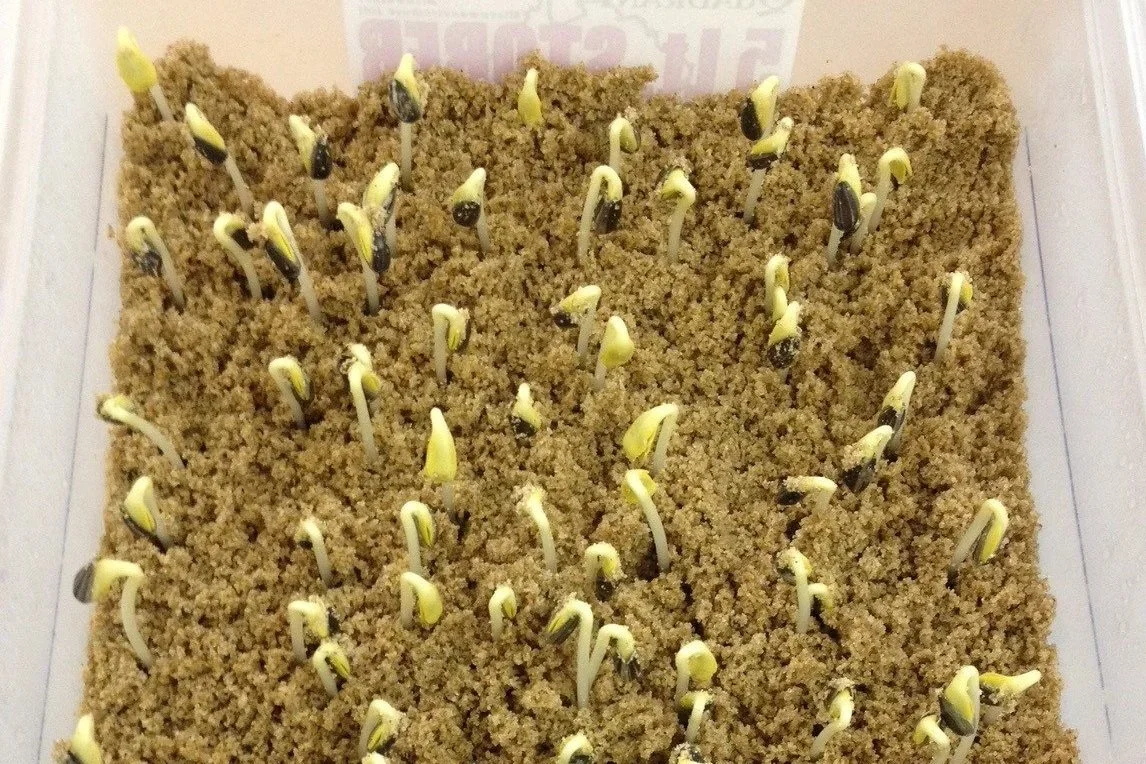
Vigour tests on seedlings are similar to germination tests in that they assess a seeds ability to germinate. The difference however is that a vigour test places the seeds under stress, giving a better idea of field performance rather than success in optimal lab conditions.
Although a seed lot may have a high germination percentage, the seed may not have enough energy to emerge properly through soil, particularly in unpredictable field conditions. A vigour test helps to overcome this by germinating the seeds through sand.
Sample sizes and turnaround times are typically the same as germination tests. Results are presented slightly different as seedlings are not analysed for abnormalities, they are instead recorded as percentage emergence after the set period.
Moisture Testing
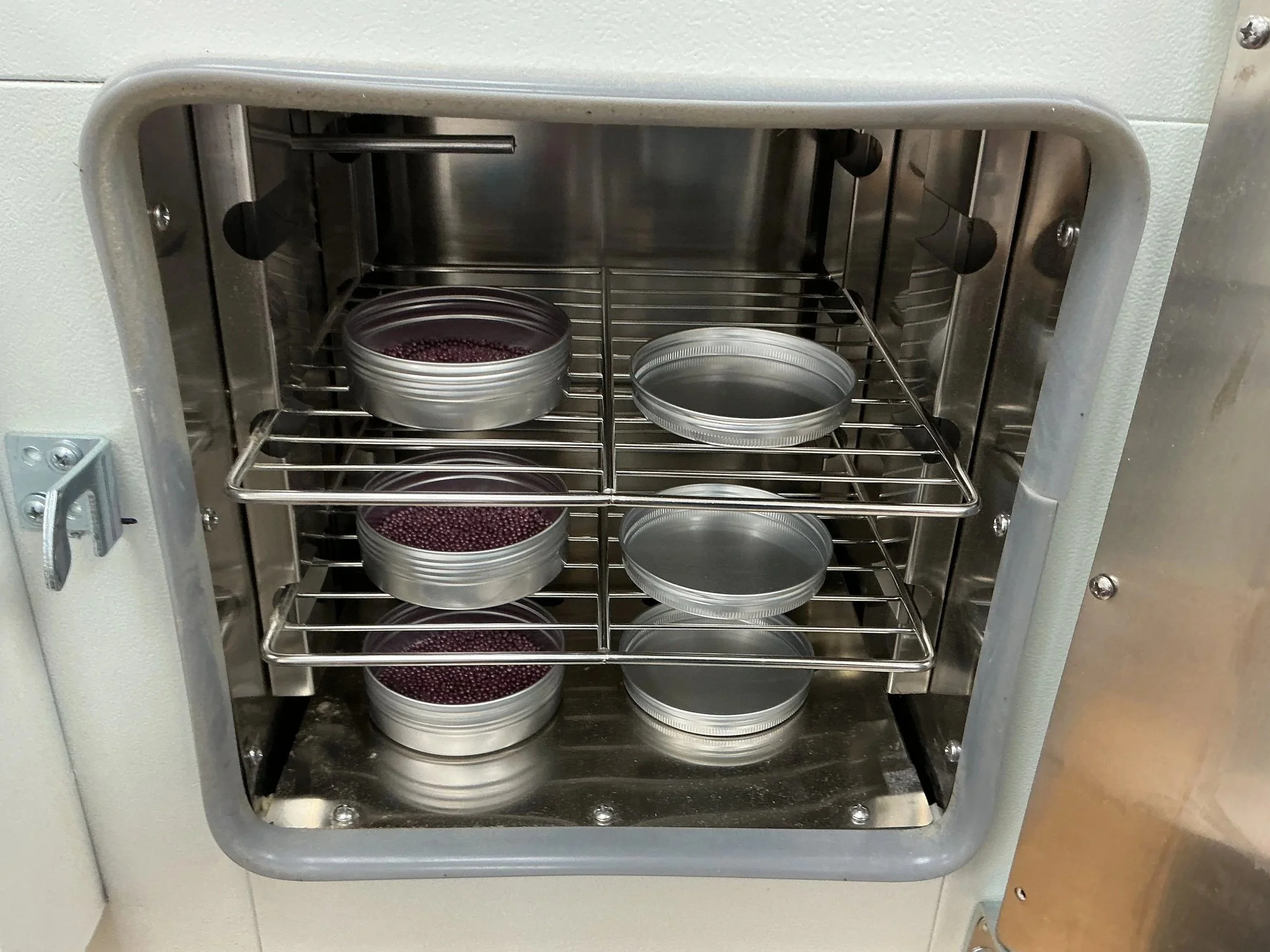
As the name describes, moisture testing calculates the moisture content of a seed lot. By measuring the weight before and after an intense drying period, we present results as the moisture percentage of the original weight. This information is useful when making decisions regarding sample storage, as well as quality assurance, helping describe the overall seed health.
We can do moisture testing on a range of species although sample sizes vary. Please get in touch if you would like more information on the minimum sample size for a specific species. As with the rest of our testing, we follow ISTA rules which highlight the time and specific method. Our turnaround time for moisture testing is 48 hours from sample receipt.
Pathology Testing
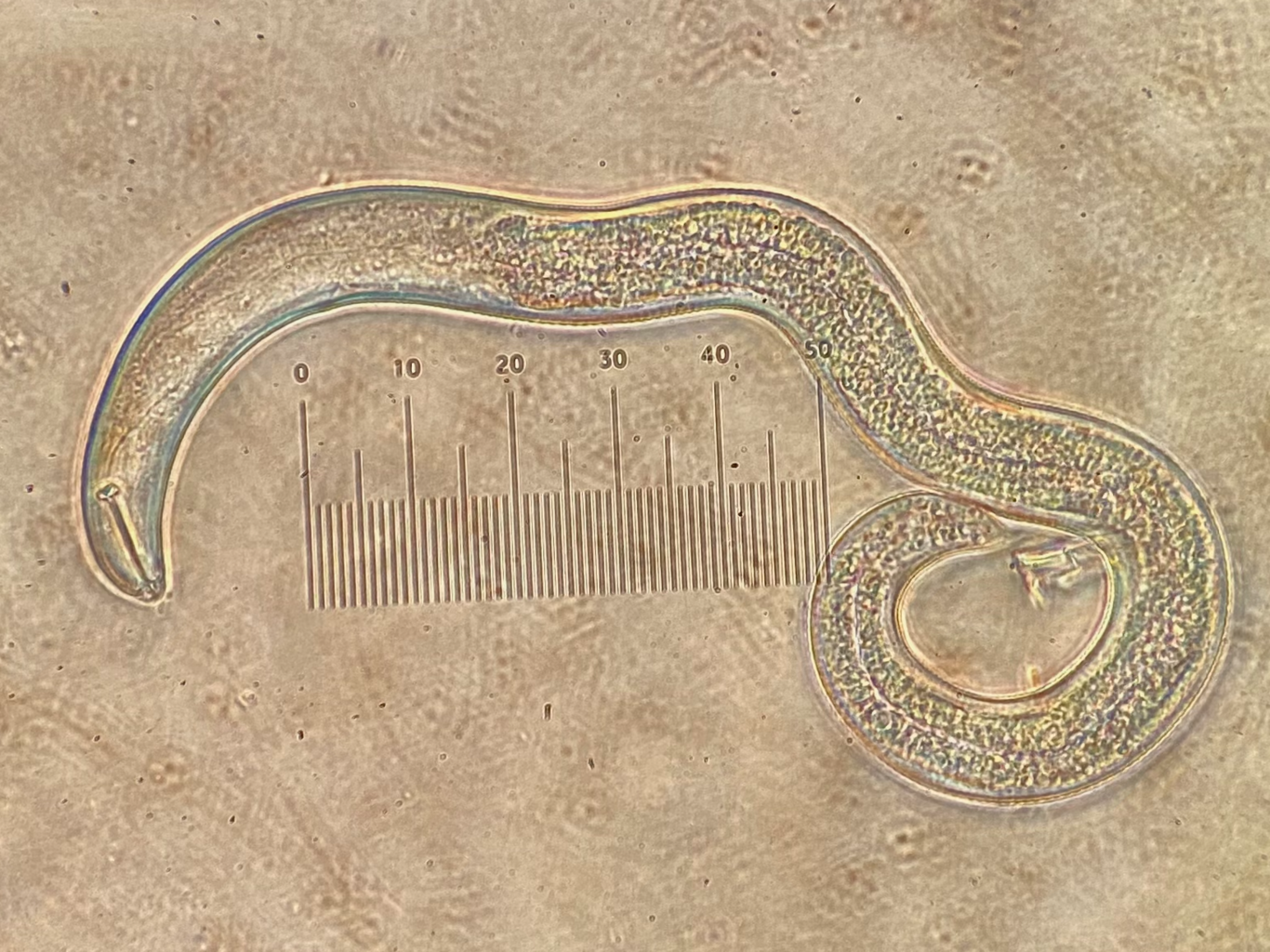
While we are still working towards a full pathology lab, we offer a few services in-house, including nematode testing. For other pathology requests, we will happily pass samples on to the AgEtal team in Queensland who have a fully equipped laboratory and years of experience.
Please get in touch with any requests. It is always helpful to understand which areas are in demand and how we can work towards offering testing services to help you in the future.